
Technology
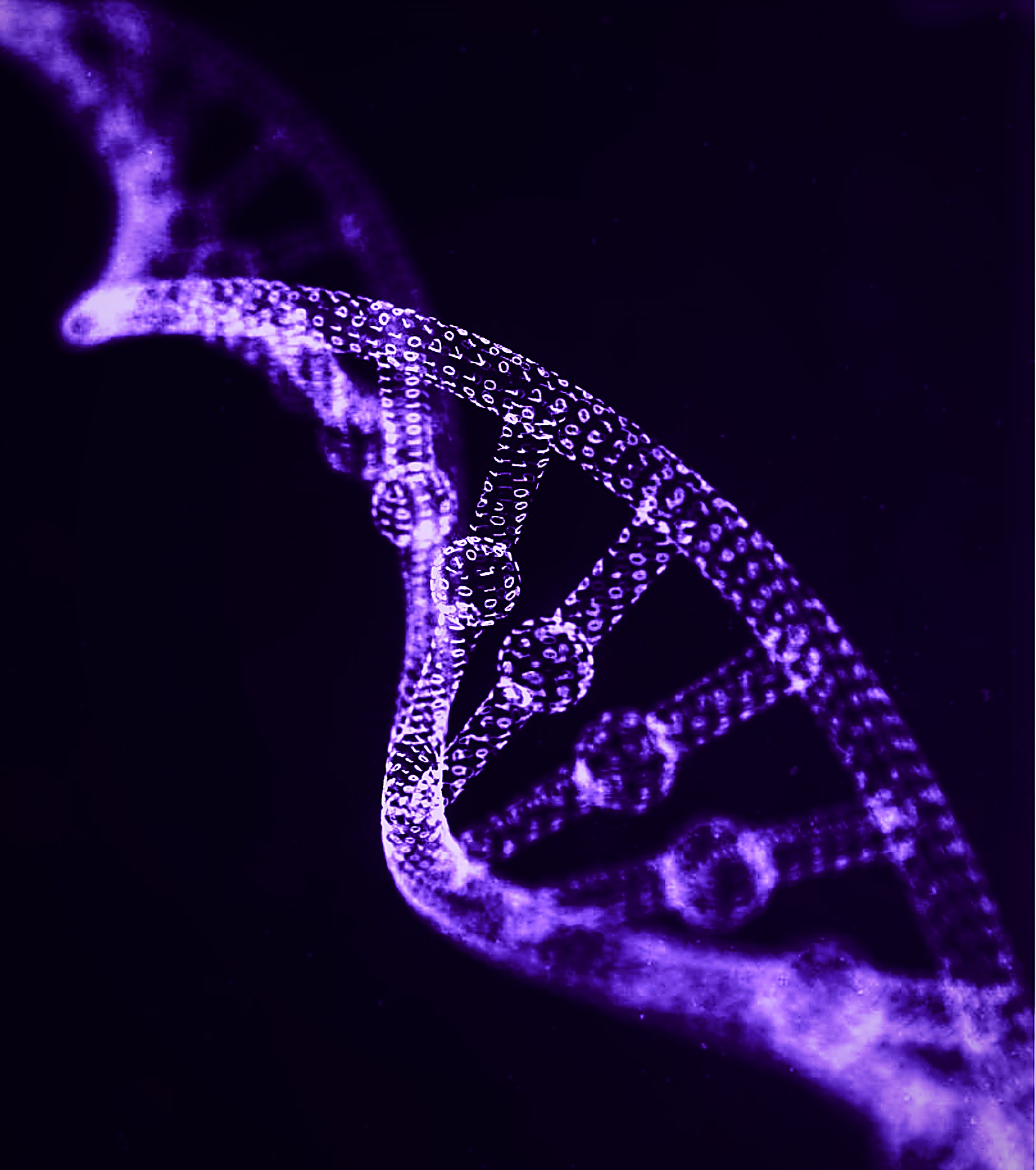
A molecular mark, and a record that travels with it.
The mark is invisible in normal handling and carries encoded information. It is linked to a record in the Indelible House registry: origin, custody, inspection and every verification event.
It is built for organisations that need authenticity to be tested rather than asserted, from fine art and signed memorabilia to packaged goods, components and regulated products.
Durable
Designed to last through the object's working life: no battery, circuit or substrate to fail.
Registry-recorded
Origin, custody and verification events are recorded against the mark in the Indelible House registry.
Fits the workflow
Three application forms, chosen to suit the object and how it is made, packed and sold.
Whole-of-life record
Verification, inspection and ownership transfer can be recorded for as long as the object exists.
Application
Three application forms. One registry.
The form is chosen for the object, its material and the moment it will be doubted. Each form links the mark to the same registry record.
- 01
Authentication code and tamper seal
The mark is applied to a secure label carrying the object's registry reference and QR code, and to a seal that shows if it has been disturbed. For packaged and sealed goods: spirits, produce, equipment, devices.
- 02
Material surface
The mark is applied to the material surface of the object by spray or brush, and is invisible in normal handling. For components, materials and objects where a label could be removed.
- 03
Artist's ink, pen and stamp
The mark is carried in ink and applied by pen or stamp at the point of creation or signing. For fine art, signed memorabilia, certificates and documents.

The tools
What the forms look like in practice.
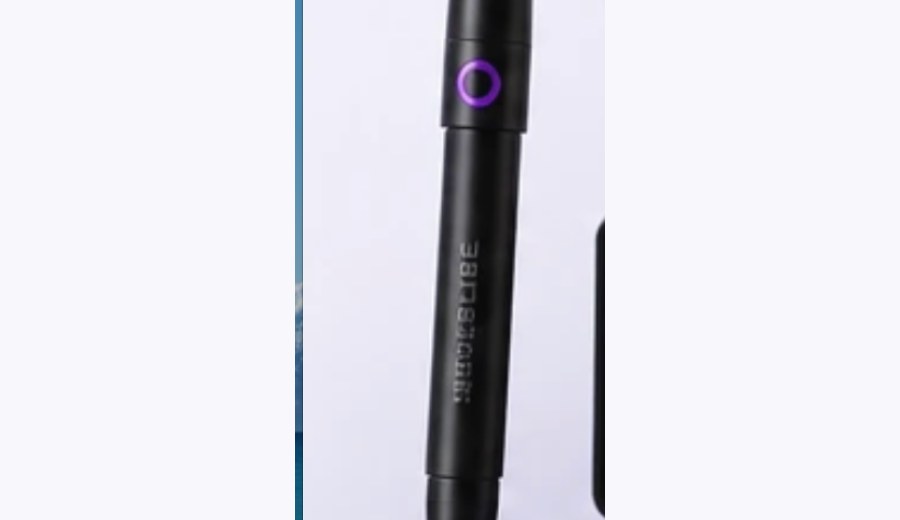
Indelible pen
Marked ink for precise application to an individual object, including at the moment of signing.
Suited to
- Fine art
- Signed collectables
- Certificates and legal documents
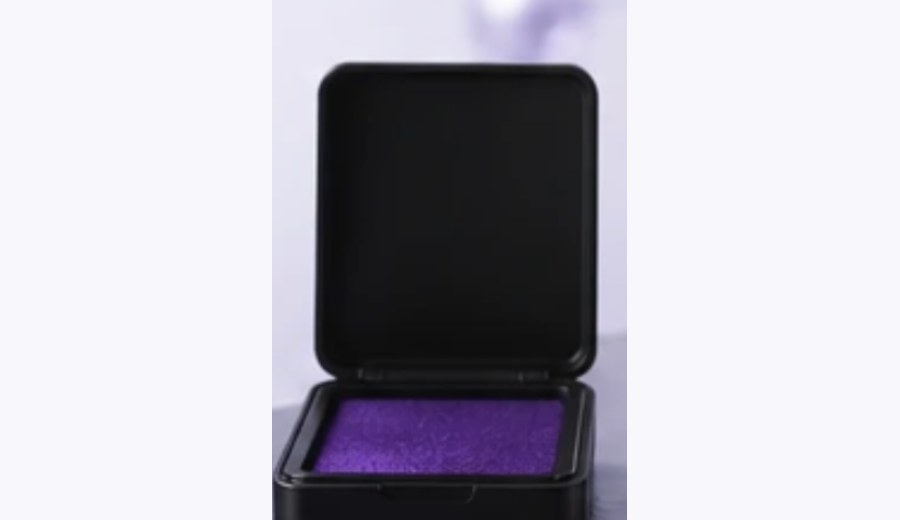
Indelible ink pad
A stamp for repeatable application in production, packing and document workflows.
Suited to
- Manufacturing and packaging
- Government documents
- Quality assurance
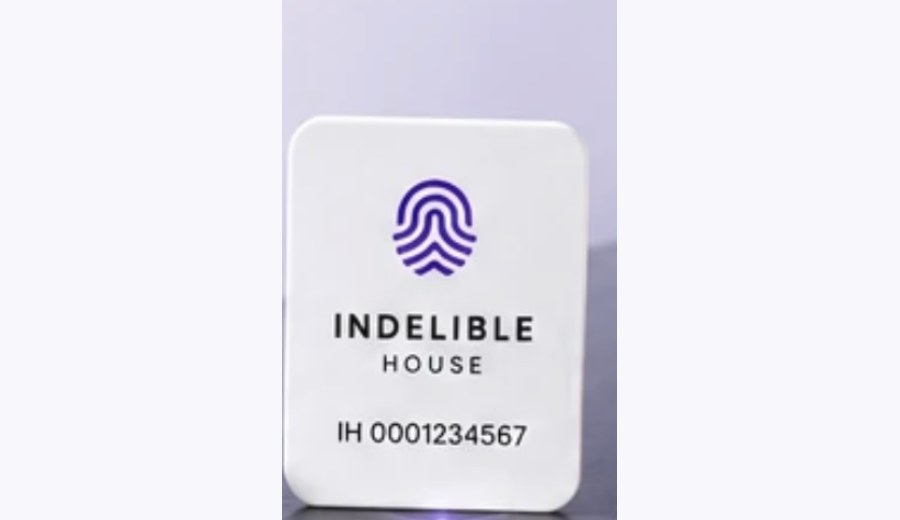
Authentication label
A marked label carrying the registry reference, for objects where direct application is not preferred.
Suited to
- Equipment and electronics
- Medical devices
- Logistics assets

Tamper seal
A marked seal with a scannable code, linking the visible seal to the registry record behind it.
Suited to
- Wine and spirits
- Premium produce
- Ownership transfer and warranty
Beyond authentication
Authentication is a moment. Provenance is the whole record.
Authentication confirms an object at one point in time.
A molecular mark linked to a registry record can connect origin, ownership, custody and verification across the object's life, and each verification adds to the record.
The record supports compliance, resale, insurance and dispute resolution, because it can be checked.
Architecture
Three layers.
- 01
Molecular mark
Applied in one of the three forms. Invisible in normal handling, and carrying encoded information.
- 02
Registry record
Origin, custody, inspection and verification events are recorded against the mark in the Indelible House registry.
- 03
Verification
Authorised users verify through a controlled digital experience, while the organisation keeps visibility of the full record.
Why molecular
Why a molecular mark, and not a chip.
- 01
Durable
There is no battery to die, no circuit to corrode and no substrate to delaminate.
- 02
Invisible
The mark does not change the object's form, look or function, so it can protect a work of art without touching what makes it valuable.
- 03
Form-independent
The mark can be carried in a liquid, coating, ink or polymer and keeps its information content.
- 04
Read from the object
A trace sample is read back to recover the information encoded in the mark. The proof is carried by the object, not only by a label or certificate.
- 05
No circuit
There is no electronic component, so the cloning and signal attacks used against chips and tags do not apply to the mark itself.
See the mark applied to an object like yours.
We will show you which application form fits, how verification works in your setting, and what the record would hold.