
Molecular provenance · Wherever authenticity carries value
A label can be copied. A molecular mark can be tested.
We apply an invisible molecular mark to your product or its seal. Customers check it with a phone in seconds, and when the answer has to hold, a laboratory reads the mark back.

- Available in
- Fine art
- Available in
- Memorabilia
- Available in
- Apparel
- Available in
- Premium produce
Each deployment has a Case File with its figures and sources.
Why a mark, not a label
What each kind of authentication actually proves.
A QR code or a hologram proves something about the label. It says nothing about whether the label belongs on the object in front of you. A molecular mark adds a second test, one that checks the object and not only the label.
| Method | What it proves | How it is defeated | Who can check it |
|---|---|---|---|
| No authentication | Nothing beyond the seller's word | No effort needed | Nobody |
| QR code or digital record | That a code is registered | Copy the code onto a fake. The record still looks genuine. | Anyone with a phone |
| Hologram or security label | That a label looks right | Reproduce or transfer the label. Few buyers know what the genuine one looks like. | A trained eye |
| Indelible molecular mark | That the object, or its seal, carries the mark recorded for it | A copied code can pass a scan, but it will not carry the mark when a sample is read. | Anyone by scan; a laboratory when it matters |
Verification
Two levels of check. One record.
Most checks happen in seconds at the point of sale. The laboratory is for the moments when the answer has to hold: a high-value sale, an insurance claim, a dispute, a seizure.
- 01
Scan at the point of doubt
The buyer, retailer or inspector scans the authentication code and sees the object's registry record: origin, custody and previous checks.
- 02
Take a trace sample
When a definitive answer is needed, a trace sample is taken without damaging the object. The object stays in its owner's custody.
- 03
Read the mark back
The sample is read in a laboratory, on site or by mail. It returns the information encoded in the mark, which either matches the registry record or does not.
Application
Three ways to apply the mark, chosen for the product.
- 01
Code and tamper seal
For packaged and sealed goods.
- 02
Material surface
By spray or brush, for components and materials.
- 03
Ink, pen and stamp
At the point of creation or signing.

In market today
Most authentication companies show you a diagram. We would rather show you the shelf.

Fine art, marked at source
Twenty one-of-one works, marked by the artist in ink as each was made. No gap between creation and authentication for a forger to work in.
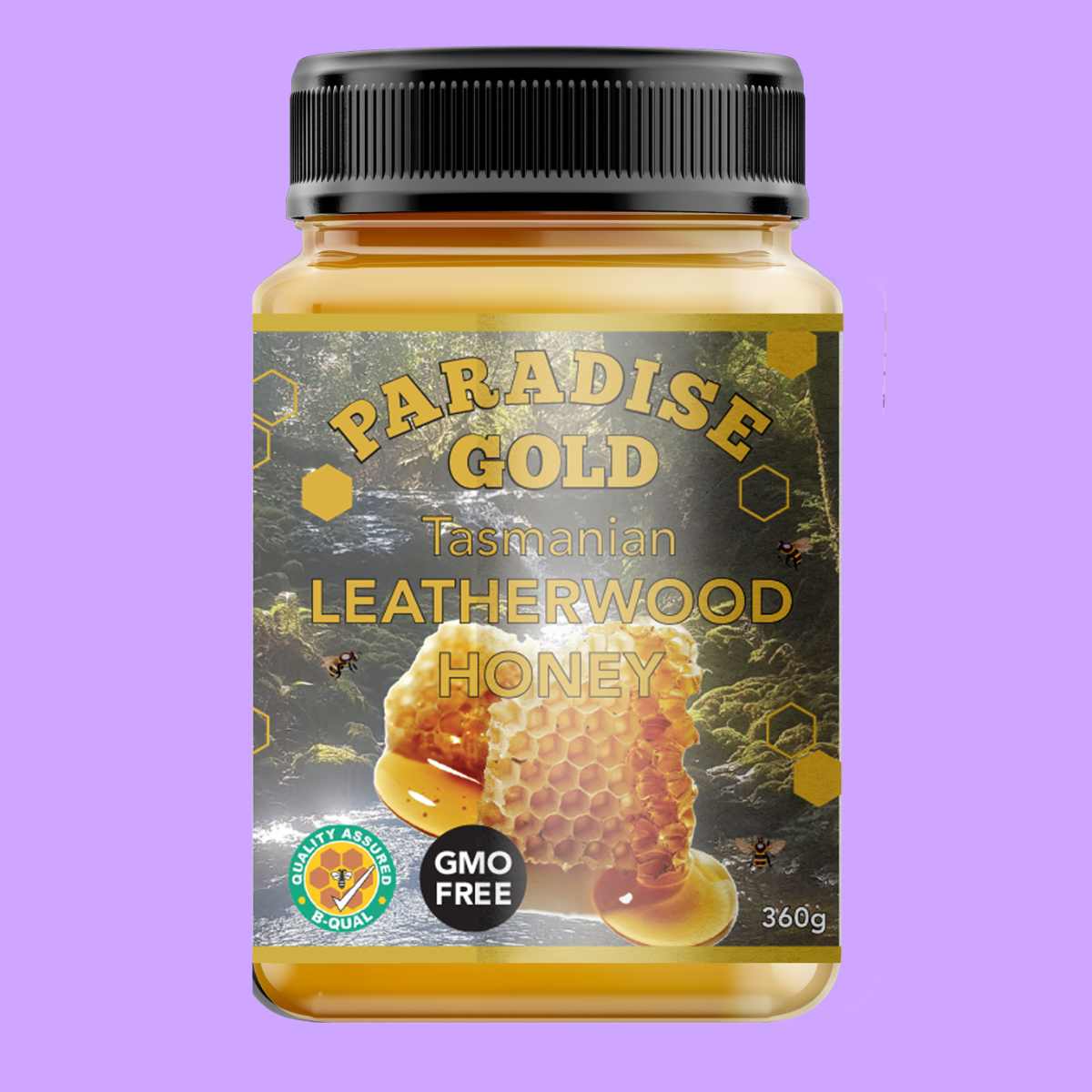
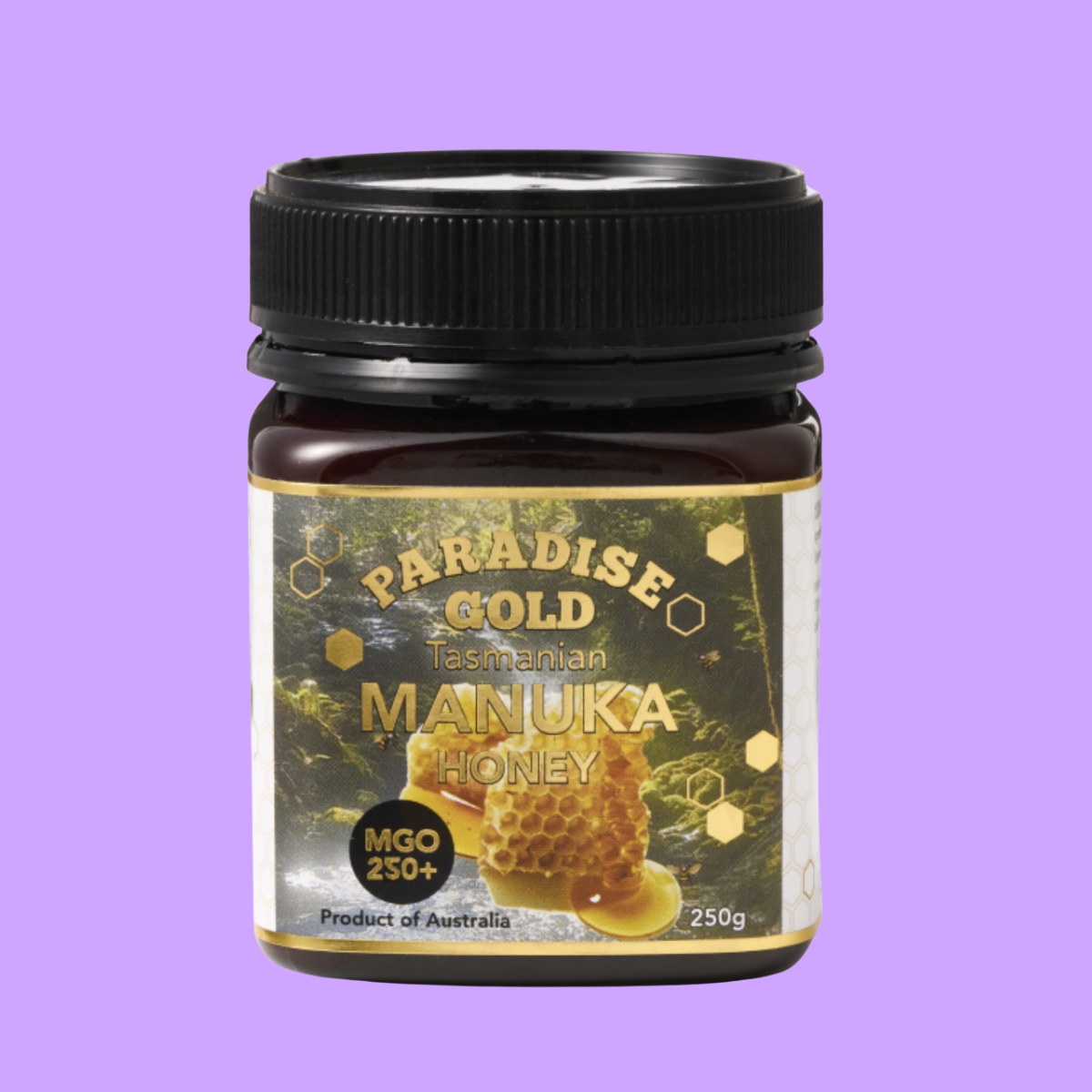
Premium produce, origin you can scan
Tasmanian Leatherwood and graded Manuka, sold on Indelible Shop and through Paradise Gold's own website. Each jar carries a code that resolves to its own provenance record.
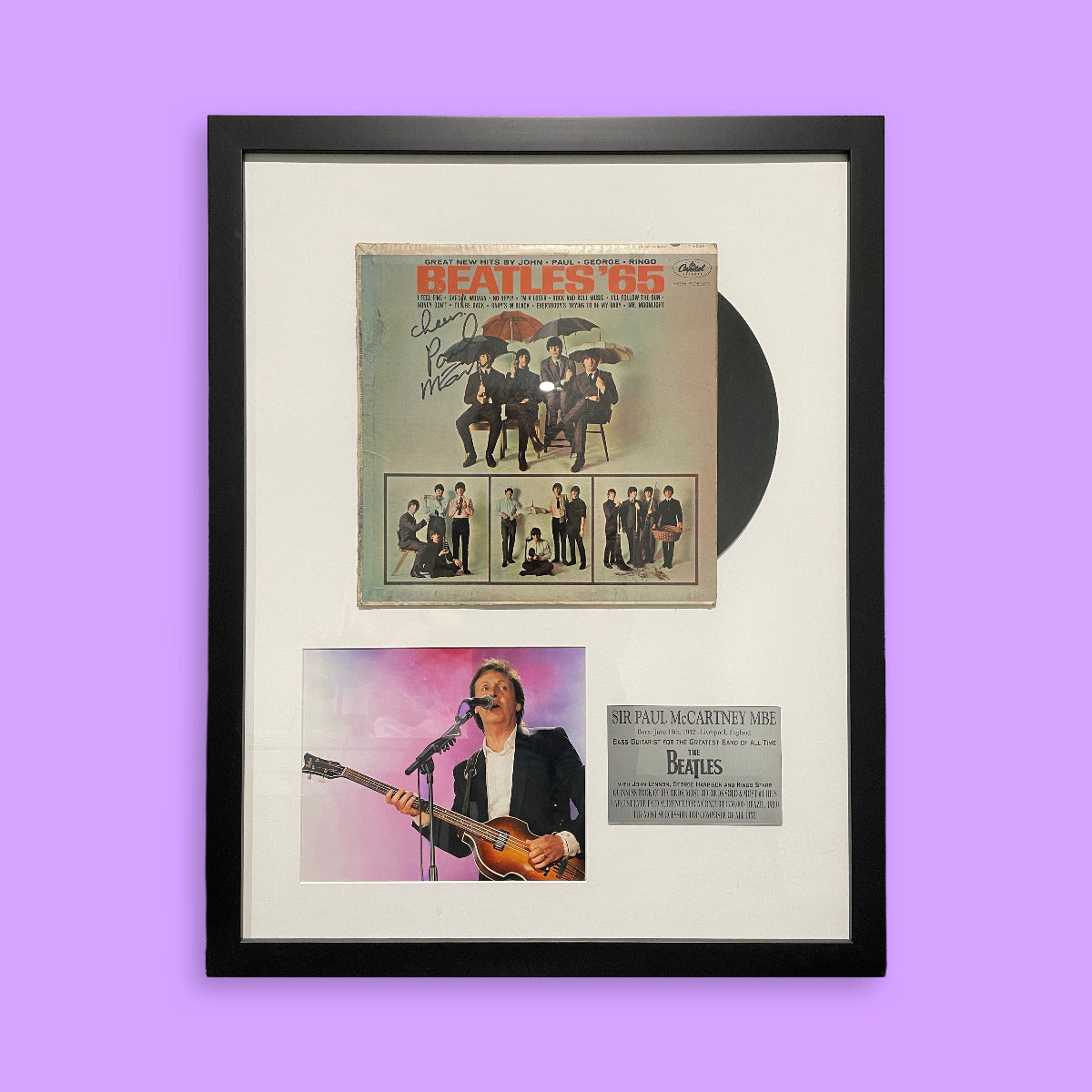
Signed memorabilia
Twenty-two items from a private collection, each marked and recorded. Where the signature is the asset, and the forger only has to be good once.
The Indelible Standard
Three marks. One standard.
Indelible Original: marked at production or at source. Indelible Marked: marked after creation. Indelible Approved: sourced to our standard, without a molecular mark.
A single badge means whatever the seller wants it to mean. Three defined grades tell a buyer exactly what has been done to the object in their hands.
Insights
White Papers and News.
Analysis and announcements from Indelible House. Case Files for each deployment are on the Case Files page.
Europe's product passport checks the record, not the product
The EU opened the registry for its Digital Product Passport in July. The system is designed to make product data reliable. It does not tell a genuine item from a copy, and nothing in its rules says it should.
Introducing Insights: Case Files, White Papers and News
A single place for the evidence behind molecular provenance: a Case File for each deployment, longer White Papers by sector, and company news.
Next step
Wherever authenticity carries value, test it on your own product.
Tell us what you make and where it is copied. We will recommend an application form, define the verification moments, and scope a pilot on one product line.